Sewage backup is when wastewater flows back into a home or business, creating immediate health and building risks that need fast, professional attention. This page explains what sewage backup is, why Category 3 “black water” is dangerous, and how trained crews follow industry standards to remove contamination, dry structures, and restore spaces safely. You’ll find clear, step-by-step remediation practices, common pathogens found in raw sewage, practical prevention tips for Columbia-area properties, and advice on handling South Carolina insurance claims. For local emergency response, Common Cents Restoration offers24/7 sewage and black-water cleanup, free estimates, disinfectants, and a one-year workmanship warranty to help homeowners and businesses recover quickly. Below we cover health hazards, the professional cleanup workflow, prevention and maintenance, insurance considerations, and the communities we serve around Columbia, SC.
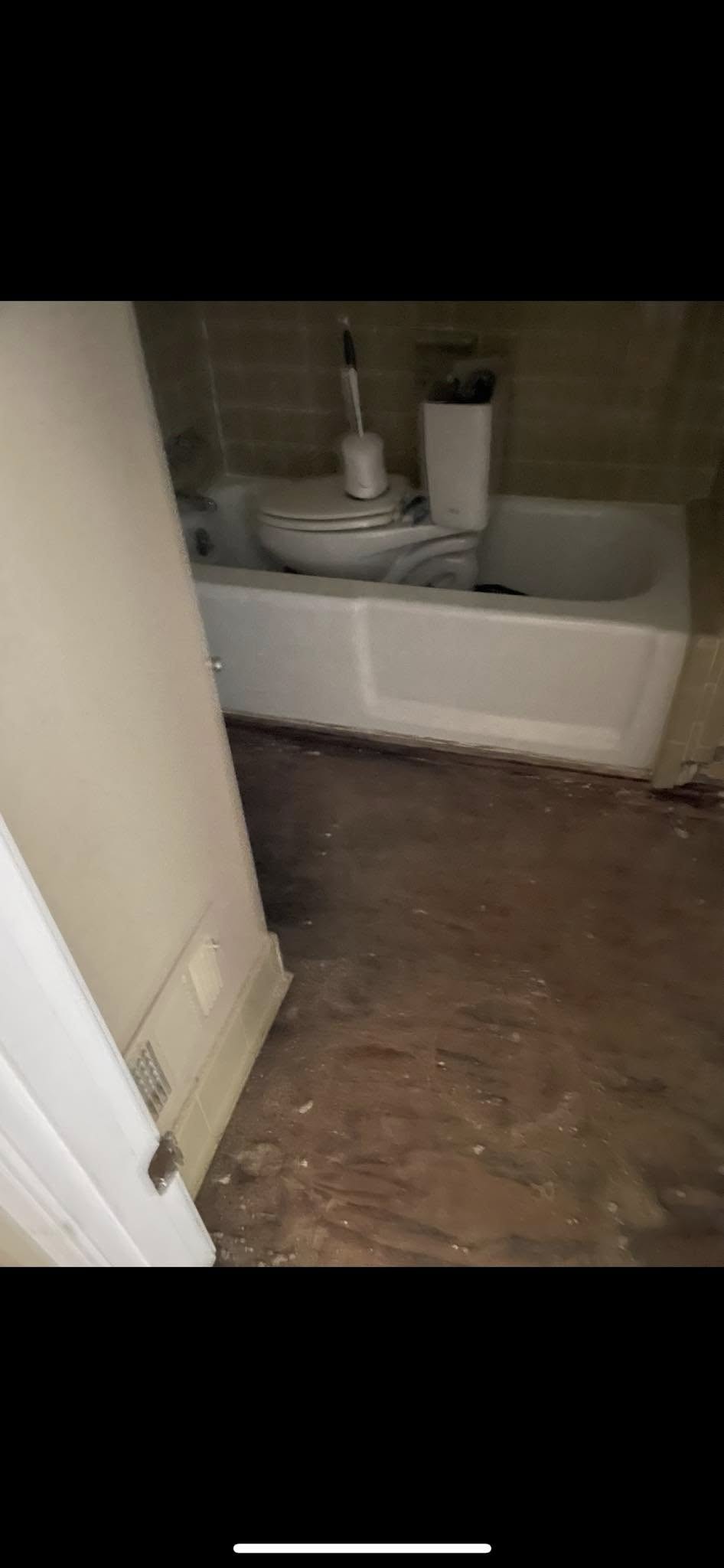
Sewage backup happens when wastewater containing human waste, chemicals, and biological contaminants enters occupied spaces, creating Category 3 (black water) conditions that pose serious health and property risks. When contaminated water touches building materials or is agitated, aerosols can form and spread pathogens by skin contact, ingestion, or inhalation. Fast removal and containment reduce exposure and stop secondary damage like mold. A professional assessment identifies what can be salvaged and what must be discarded so cleanup is effective and safe. Knowing these risks helps homeowners take prompt, informed steps to mitigate damage and protect occupants.
In Columbia, backups are often caused by municipal sewer overloads, clogged building drains, or sewer-main failures—situations that make quick containment essential. Black water soaks porous materials and cabinetry rapidly, so delays increase cleanup costs and health risks. The sections that follow explain black water specifics and the illnesses tied to sewage exposure so property owners can recognize danger signs and act quickly.
Black water (Category 3) contains untreated sewage, chemical waste, and other hazards that make it unsafe for unprotected occupants or DIY cleanup. It soaks into porous materials—carpet padding, upholstered furniture, drywall, and insulation—often making salvage impractical because contaminants penetrate deep. Technicians decide what can be cleaned versus what must be removed by assessing contamination depth, material porosity, and replacement cost; non-porous surfaces are usually disinfectable while porous items are typically replaced. Fast removal of black water limits structural decay, cuts down on persistent odors, and lowers the chance of mold growth, so immediate containment is crucial.
Black water also requires regulated disposal as biohazardous waste, and improper on-site attempts can spread contamination through aerosolization. That’s why trained crews use containment barriers and HEPA filtration during remediation—to protect occupants and reduce cross-contamination. Knowing which household items are likely unsalvageable helps owners prioritize documentation for insurance and restoration planning.
Sewage can carry bacteria, viruses, and parasites that cause anything from stomach illnesses to more serious infections; common agents include enteric bacteria, norovirus-type pathogens, and Hepatitis A. Exposure can occur through direct contact, accidental ingestion of contaminated material, or breathing aerosolized droplets during cleanup. Symptoms may appear hours to days after exposure depending on the organism and dose. Take immediate precautions: avoid contact, keep children and pets away, wash any exposed skin with soap and water, and seek medical care for fever, persistent vomiting, or jaundice. Professional remediation lowers residual risk by thoroughly disinfecting surfaces and removing contaminated materials.
Some infections are serious for vulnerable people—young children, older adults, pregnant people, and those with weakened immune systems—so medical evaluation is recommended when exposure is suspected. The next section describes the professional cleanup workflow and the safety steps technicians take to protect health and property during restoration.
Professional sewage cleanup follows a clear sequence: safety and triage, contaminated-water extraction and containment, decontamination with disinfectants, structural drying, and restoration—each step documented for clients and insurers. Technicians follow industry procedures that emphasize PPE, air containment, and proper disposal of contaminated waste to prevent cross-contamination and environmental release. Timelines vary with loss size and materials affected, but crews typically complete initial containment and extraction within hours of arrival to reduce pathogen survival and limit material damage. Thorough documentation—photos, moisture maps, and written reports—supports insurance claims and reconstruction planning.
This overview shows how each cleanup phase maps to expected response times and equipment. The sections below describe each phase in more detail so homeowners know what technicians do and what outcomes to expect.
On arrival, technicians secure the scene, set up containment to prevent cross-contamination, and perform a rapid assessment that documents hazards and sets salvage priorities. Safety steps include isolating the area, checking air handling, and identifying utility shutoffs as needed to reduce electrical and contamination risks. The assessment emphasizes photos and written notes for insurance, plus moisture mapping to find hidden contamination inside walls or crawlspaces. This triage determines whether items can be cleaned on-site or need removal, and it schedules extraction and drying to limit secondary damage.
Documenting visible contamination and decisions during this phase speeds insurance processing and clarifies scope for clients and contractors. The next step focuses on safely removing contaminated water and disposing of it according to local rules to prevent recontamination.
Extraction uses industrial truck-mounted or portable pumps and extractors to remove bulk sewage and lower moisture so drying can begin. Technicians contain runoff to avoid cross-contamination, collect wastewater and debris, and transport them for proper disposal under local sanitary rules. All extraction equipment is decontaminated after use. After bulk removal, non-porous surfaces are cleaned and treated with disinfectants using proper contact times to inactivate pathogens. Correct disinfectant choice and following labeled contact times are essential to reduce lingering microbes.
Technicians also measure moisture and use HEPA filtration during agitation to protect indoor air quality. Once extraction and initial decontamination are finished, crews move on to structural drying and odor control to restore habitability and prepare for repairs.
Structural drying combines air movers, desiccant or refrigerant dehumidifiers, and continuous moisture monitoring to bring building materials down to engineered targets and prevent mold growth after a sewage event. HEPA air scrubbers remove particulates and bioaerosols during drying, and odor control—using thermal fogging or approved neutralizers when needed—addresses persistent smells. Technicians track progress with moisture meters and hygrometers and adjust equipment placement and run times to hit endpoints; many moderate losses show measurable drying progress within 48–72 hours. Clear communication about drying goals and timelines helps owners plan for re-entry and the next restoration steps.
If odors persist despite drying, reconstruction or replacement of affected materials is often required. Final verification confirms both structural dryness and acceptable indoor-air conditions before finishing work begins.
Final work includes targeted antimicrobial treatments, removal and replacement of unsalvageable materials, and repairs that return the space to pre-loss condition—along with full documentation for the owner and insurer. After the final sanitization, technicians run a verification walkthrough with moisture and cleanliness readings to confirm remediation endpoints and that surfaces are safe for occupants. Restoration can range from drywall replacement to larger reconstruction, depending on damage. Detailed invoices and reports support warranties and insurance. Common Cents Restoration provides a one-year workmanship warranty on performed repairs and offers prevention advice to reduce future risk.
Clear documentation and open communication during finalization help homeowners understand what was cleaned, replaced, and warranted, which smooths insurance settlement and supports long-term recovery.
Common Cents Restoration combines local response with safety-first remediation to help Columbia-area property owners recover from sewage backups. We offer 24/7 emergency cleanup for sewage and black water, free estimates and consultations to scope mitigation, and a one-year workmanship warranty on restoration work. Our crews follow strict safety protocols and use disinfectants to reduce health risks and meet regulatory expectations. Local availability in Columbia, Lexington, Irmo, Blythewood, and nearby areas means faster mobilization, which limits contamination spread and reduces repair costs.
We use evidence-based practices—like industry procedures and documented moisture mapping—to support insurance claims and produce clear, insurer-ready reports. For homeowners who need fast help, a local team with emergency availability, documented methods, and warranty-backed repairs delivers predictable outcomes and quicker recovery from sewage incidents.
Our emergency services include immediate containment, bulk extraction, decontamination, structural drying, and coordination of repairs backed by a one-year workmanship warranty. We provide free estimates and consultations to explain what will be cleaned, removed, or reconstructed, and crews prioritize PPE and HEPA air filtration during active remediation. The one-year workmanship warranty covers defects in performed restoration work and gives owners a clear path to report post-repair issues. These services combine technical remediation with defined follow-up support to reduce homeowner stress.
Clear documentation of services also helps insurance workflows and gives owners verifiable proof of mitigation actions taken to protect health and property. Local experience plus warranty coverage helps owners choose a restoration path with confidence.
Local expertise shortens travel time and improves outcomes. Our technicians know common regional causes of sewage backups—aging sewer mains, tree root intrusion, and seasonal storm impacts—and maintain contacts with municipal authorities when needed. Faster mobilization reduces how long contaminated water remains in place, limiting material saturation and lowering the risk of mold and structural damage. Familiarity with South Carolina insurance practices and local disposal rules helps ensure mitigation complies with regulations and supports claims. Local crews also provide prevention advice tailored to area infrastructure and conditions, helping owners reduce future incidents.
This local knowledge, combined with industry processes and warranty-backed repairs, offers a practical advantage for property owners who need quick, documented, and trustworthy remediation services.
Preventing sewage backups takes routine maintenance, targeted upgrades, and awareness of local risks. Regular inspections of drains, sump pumps, and sewer laterals catch blockages early, and careful disposal—no grease or non-flushable items—reduces interior clogs. Seasonal checks and professional camera inspections can spot tree-root intrusion or pipe deterioration before a backup happens. A maintenance-focused approach lowers the chance of an overflow and reduces potential health and repair costs if one occurs.
Business Name: Common Cents Restoration
Address: 140 Adams Pond Rd, Blythewood, SC 29016
Phone:803-995-0234
Business Hours:
Mon - Fri: 08:00 AM to 05:00 PM
Sat-Sun: Closed
24 Hour Emergency Service Available
1 Year Workmanship Warranty