
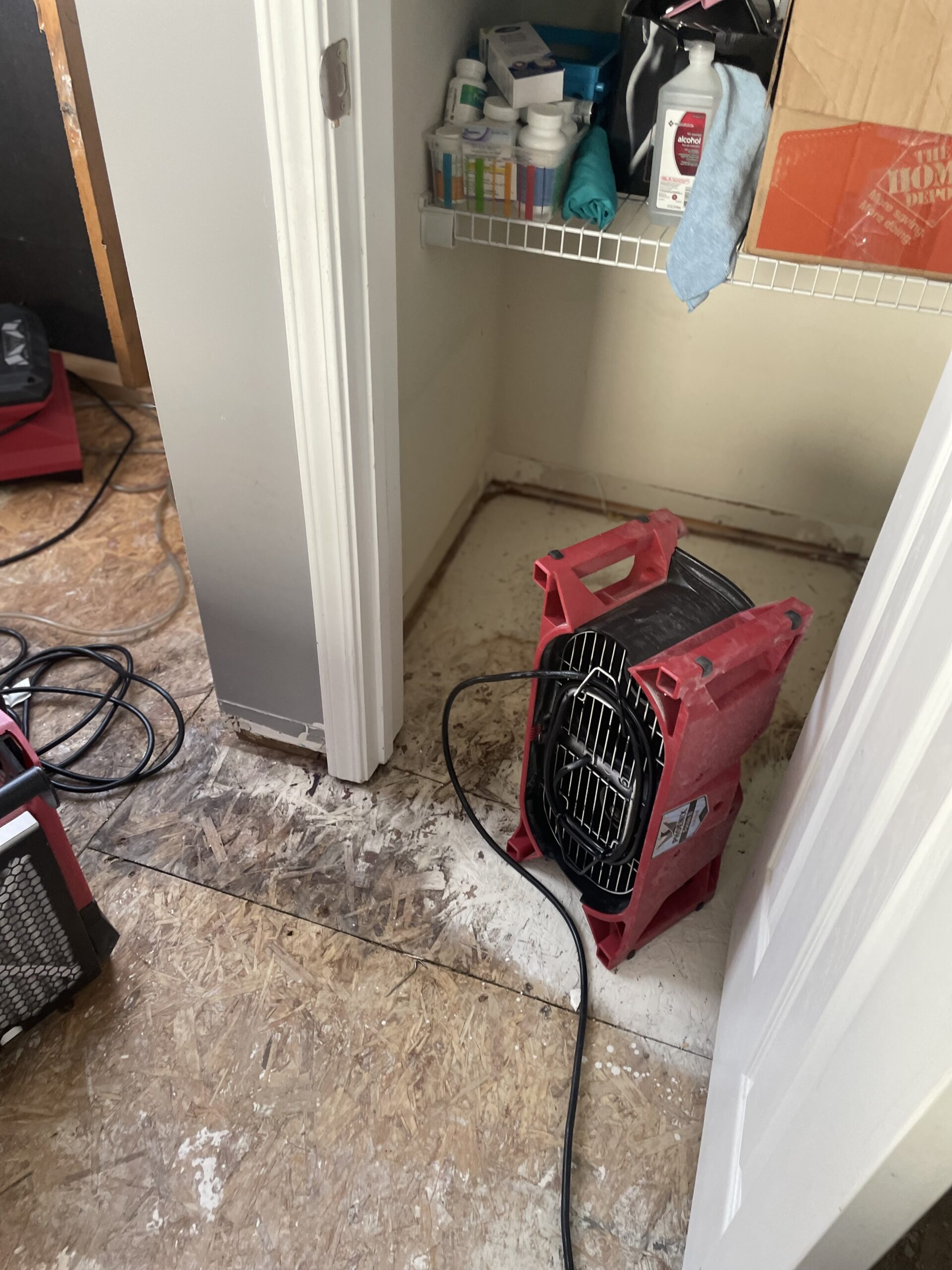
Hidden water damage is moisture that’s working behind the scenes — inside walls, under floors, or above ceilings — quietly weakening materials and encouraging mold if it’s not caught. This guide shows how that moisture gets in, the sensory and measurable clues you can use to find it early, and practical next steps to limit damage and protect your home and family. You’ll learn common visual and smell cues, how sound and your utility bills can help pinpoint a problem, what professionals discover with tools like thermal imaging and moisture mapping, and how to prioritize actions for South Carolina homes. We walk you from quick DIY checks to when to call an expert, outline the structural and health risks of waiting, and offer prevention tips geared to Blythewood, Columbia, Lexington, and Irmo homeowners. Use the included checklists and sign-to-action tables to assess severity and decide whether to monitor, act, or schedule a professional inspection.
Hidden water damage usually shows up first as subtle clues — smells, stains, or small changes in surface texture — long before you see puddles or collapse. Moisture changes materials: drywall softens, wood swells, and insulation loses effectiveness, so spotting problems early cuts repair time and cost. The best approach mixes your senses with a few simple tools: sniff for musty odors, look for discoloration, press for soft spots, and compare current utility use to past bills. Below is a clear list of the top signs that often point to concealed moisture; each item hints at likely sources and how urgent the response should be.
Common signs of hidden water damage include persistent, musty odors that return after airing out (a common sign of microbial activity or mVOCs), brown or yellow stains on walls or ceilings that grow over time and often trace roof or plumbing leaks, peeling, bubbling, or blistering paint where moisture separates paint from the surface beneath, warped or cupped wood flooring indicating trapped moisture under planks or in the subfloor, soft spots or sagging drywall or ceilings suggesting framing damage or water buildup, and damp carpet or persistent underlay odors with no obvious spill, which can point to plumbing or slab leaks.
These signs vary by material and severity. Correctly reading them helps you choose whether to monitor, perform targeted drying, or schedule structural repairs.
A musty smell comes from microbial volatile organic compounds (mVOCs) released when mold and bacteria break down organic material in damp places, making that odor an early, reliable signal of hidden growth. Moisture trapped behind drywall, inside insulation, or beneath flooring can create the right conditions for mold colonies within 24–48 hours of exposure. Practical homeowner steps are simple: ventilate the area, lower indoor humidity, and do quick checks like lifting a carpet edge or inspecting attic insulation. If the smell won’t go away, take a moisture meter reading or call for a professional inspection. In South Carolina’s humid climate, seasonal humidity spikes can hide active leaks, so treat persistent mustiness as a reason to escalate testing sooner rather than later. Stopping the moisture cycle early prevents wider mold spread and keeps indoor air healthier.
Visual clues point you to where moisture has changed a material’s appearance or structure. Different materials fail in different ways: drywall often stains brown and bubbles, wood darkens or cups, and ceiling plaster will sag or crack when water accumulates above. Document stain size, color, and whether it feels cool or damp — those details help tell if the issue is active or old. Small, stable discoloration can be monitored, but spreading stains, peeling finishes, or any structural deformation call for moisture mapping and professional help. After you note visual clues, follow up with moisture readings or targeted probes to determine the full extent and next steps.
When you can’t see moisture, sound and utility data are two inexpensive, effective ways to find it. Listening can reveal drips, hisses, or gurgles inside walls or beneath floors; checking bills and the water meter helps quantify unseen loss. Use these methods together: confirm unusual bill patterns with a meter test, then narrow the location using listening and isolation. Below is a simple, step-by-step checklist you can use before calling a professional leak detector: first, assemble baseline data by collecting the last 6–12 months of water bills to spot usage jumps outside normal seasonal changes. Next, perform a meter test by making sure all water is off, noting the meter, waiting 15–30 minutes, and re-checking for movement that indicates an active leak. Then, engage in quiet-house listening; in quiet hours, walk the house and use a short length of tubing or a stethoscope app to amplify hissing, dripping, or gurgling inside walls. Finally, isolate zones by shutting off valves to sections or appliances to see if sounds or meter movement stop, which helps narrow the leak location.
Summary: Let billing anomalies justify a deeper check, confirm with a meter test, and then use listening and isolation to localize the issue. If meter movement continues or you hear constant hissing, bring in a professional leak detector.
Auditory clues differ by leak type: intermittent dripping usually comes from gravity-fed leaks, hissing often means a pressurized line, and gurgling can point to drainage or venting problems. Dripping can be hard to hear over normal noise; hissing often signals faster water loss and should be treated as urgent. To locate sounds, work during quiet hours, press your ear to suspect walls, or use a tube as a primitive stethoscope — phone apps and inexpensive contact microphones can help too. If sounds keep going after you shut off supply valves to an area, the leak is probably inside that closed system and needs professional diagnostics. Combine sound localization with a meter test to measure loss and set your response priority.
Unexpected increases in water bills are a strong clue of an unseen leak. Compare recent bills to the same month in past years to rule out seasonal usage. Then run a meter test: make sure no water is in use and watch the meter for 15–30 minutes. If it moves, you can calculate gallons per minute from the change and estimate daily loss and cost — that helps you decide whether to shut off water immediately or call a specialist. Large, ongoing losses—even without clear sounds—usually justify professional detection methods like acoustic listening, tracer gas, or thermal scans to find slab or buried leaks before they damage structure. Use bill analysis and meter confirmation to prioritize containment and inspection.
Restoration pros use several diagnostic tools together — thermal cameras, moisture meters, acoustic leak detectors, borescopes, and moisture mapping — to find concealed moisture and build documentation for remediation and insurance. Thermal imaging spots temperature differences caused by wet materials, moisture meters give quantitative readings and set drying goals, and acoustic tools listen for pipe noises. No single tool is perfect: thermal images can show thermal bridges, moisture meters need proper technique, and acoustic methods depend on how materials transmit sound. Combining tools gives the clearest picture and prevents treating only symptoms instead of the source.
Below is a quick summary of the main tools, what they reveal, and when they’re most useful — so you understand why a multi-tool approach is best. These include thermal imaging, which shows cooler, wet spots and helps target where to probe next; moisture meters (pin & pinless) that measure moisture in materials and help set drying targets; acoustic leak detectors that pinpoint pressurized leaks in pipes by analyzing sound frequencies; and borescopes and endoscopes, which let technicians look inside cavities without large demolition.
Summary: Pros typically scan with thermal imaging, then map moisture to quantify affected areas, and finally use acoustic or borescope methods to precisely locate the source — a sequence that keeps remediation focused and well-documented.
If you want professional confirmation, Common Cents Restoration uses the same diagnostic suite — thermal imaging, moisture mapping, and calibrated meters — during inspections to develop an evidence-based scope of work for restoration and insurance documentation. We begin with a quick thermal scan to find anomalies, create a moisture map to measure how far moisture has traveled, and use targeted probes where necessary to verify conditions before recommending drying or mold remediation. That diagnostic-first approach reduces guesswork, speeds insurance approval, and sets clear drying and repair goals so work gets done right the first time.
Left alone, hidden moisture moves through drywall, insulation, framing, and flooring, causing material breakdown, weaker structure, and higher risk of mold — all of which threaten safety and comfort. Over time, wood rot can weaken joists and studs, metal fasteners corrode, and drywall or plaster can lose strength, leading to sagging ceilings and buckling floors that require costly structural repairs. On the health side, mold produces allergens and irritants that can worsen respiratory conditions, particularly for children, older adults, and people with weakened immune systems. Damage progresses at different rates. If you see structural symptoms or rapid mold growth, get professional help right away to avoid larger restoration costs.
Water changes materials by swelling fibers, dissolving binders, and encouraging microbial decay. In walls and ceilings that shows up as soft spots, blistering, or even collapse; in floors you’ll see cupping, delamination, and finish failure. Repeated moisture exposure rots wood framing and weakens joists and studs that transfer load; corroded metal connectors make things worse. Spotting early signs — localized sagging, new cracks, or persistent soft spots — should trigger a structural check, since small repairs now can prevent larger rebuilds later. After containment and drying, restoration usually includes drying verification, targeted repairs, and, if necessary, structural reinforcement where load-bearing members were affected.
Yes. Hidden moisture creates ideal conditions for mold, which releases spores and mVOCs that can worsen allergies, asthma, and other respiratory issues for susceptible people. Mold can start growing within 24–48 hours in the right conditions and often spreads inside cavities and insulation where it’s out of sight. High-risk groups — children, the elderly, and immunocompromised individuals — are most affected by prolonged exposure. That’s why quick moisture control and professional remediation are recommended when mold is suspected. Standard remediation combines containment, HEPA filtration, removal of contaminated materials, and thorough drying; documenting moisture readings helps confirm a space is safe to reoccupy.
Preventing hidden water damage takes routine, climate-aware maintenance that addresses South Carolina’s humid subtropical weather, storm risk, and seasonal humidity. Focus on roof and gutter care, proper grading and drainage around the foundation, crawlspace moisture control, and protecting plumbing with insulation and regular checks. These steps control common water sources and vapor drive that lead to hidden problems. A preventative checklist for South Carolina homes includes inspecting the roof and flashing quarterly and after storms to catch missing shingles or damaged seals early, keeping gutters and downspouts clear and directing water several feet away from the foundation, maintaining proper grading so soil slopes away from the foundation to reduce hydrostatic pressure on walls, encapsulating or ventilating crawlspaces with a continuous vapor barrier and adding a dehumidifier where moisture is high, and insulating and protecting exposed pipes in exterior walls and unheated spaces to limit condensation and reduce rare freeze risks.
Summary: Regular seasonal maintenance plus effective moisture control greatly lowers the chance of hidden water damage. Being consistent about vulnerable systems keeps small issues from turning into structural or health hazards.
Manage crawlspaces by installing a continuous vapor barrier, improving ventilation, or adding a dehumidifier, and make sure surface water is diverted away. For plumbing, insulate exposed pipes, tighten loose fittings, and inspect visible joints during seasonal checks to cut down on pinhole leaks and condensation. For foundations, keep proper exterior grading, maintain gutters and downspouts, and use window well covers or perimeter drains where pooling occurs. These targeted steps lower the frequency and severity of hidden leaks and support visual inspections after storms or plumbing work.
Call for a professional inspection right away if you notice active leaks, sagging ceilings, continuous meter movement, or sudden unexplained spikes in water bills — these often mean active, serious water loss. For non-emergency but worrying signs — mild persistent odors, small recurring stains, or higher humidity readings — arrange an inspection within 24–72 hours to determine whether drying, repairs, or monitoring is the right next step. Annual professional checks or inspections after major storms are smart in South Carolina’s climate to catch slow-developing issues. If you need documentation for insurance or suspect mold, a professional inspection provides moisture mapping, photos, and recommendations that make remediation and claims simpler.
Short local service note: For homeowners in Blythewood, Columbia, Lexington, and Irmo, Common Cents Restoration offers free estimates and consultations to help prioritize inspections based on what you’re seeing. Scheduling an inspection after persistent odors, big bill spikes, or post-storm concerns gives you a clear plan without the guesswork.
At Common Cents Restoration we handle thorough, documented inspections and repairs that start with focused diagnostics and move through drying, dehumidification, mold remediation, and repairs as needed. Our inspection routine begins with a homeowner interview and visual check, followed by thermal imaging to find anomalies, systematic moisture mapping with calibrated meters to measure affected areas, and targeted probes or borescope checks when visual confirmation is needed. After diagnosis we prepare a clear scope of work with drying goals, remediation steps, and an estimate — and we provide free consultations to help homeowners plan and work with insurance if needed. We serve Blythewood, Columbia, Lexington, and Irmo for both homes and businesses, offer 24/7 emergency response for active leaks and major water events, and back our repairs with a one-year workmanship warranty for your peace of mind.
Our inspection starts with a homeowner interview to record symptoms, timing, and recent events that might explain moisture — information that directs the technician’s focus. Technicians then use thermal imaging to scan ceilings, walls, and floors for temperature differences that suggest moisture and follow up with moisture meters (pin and pinless) to build a moisture map showing saturation levels. If needed, we perform targeted probes, borescope inspections, or controlled openings to confirm conditions before remediation. Findings, measurements, and photos are compiled into a report with recommendations and a free estimate for repair and drying. This structured, documented approach clarifies severity, supports insurance claims, and sets measurable drying and restoration goals.
Our 24/7 emergency service means we can get to active leaks or storm damage fast to limit exposure and prevent more secondary damage. Emergency response focuses on water extraction, containment, and setting up drying systems like dehumidifiers and structural drying equipment, followed by a documented plan for full remediation and repair. Our one-year workmanship warranty covers the restoration work we perform, giving you follow-up support and assurance that we’ll address any workmanship issues. To start service or request a free estimate, contact Common Cents Restoration — we’ll build a plan tailored to your home and our local climate.
Finding hidden water damage early protects your home’s structure and your family’s health. Watch for signs like musty smells and discoloration, use simple checks or meter tests to confirm suspicions, and don’t delay when evidence points to active moisture. Regular, climate-aware maintenance in South Carolina cuts down the risk of hidden leaks. If you want certainty, schedule a professional inspection — it’s the fastest way to know your home is safe and to get a clear plan for repairs.
Business Name: Common Cents Restoration
Address: 140 Adams Pond Rd, Blythewood, SC 29016
Phone:803-995-0234
Business Hours:
Mon - Fri: 08:00 AM to 05:00 PM
Sat-Sun: Closed
24 Hour Emergency Service Available
1 Year Workmanship Warranty