
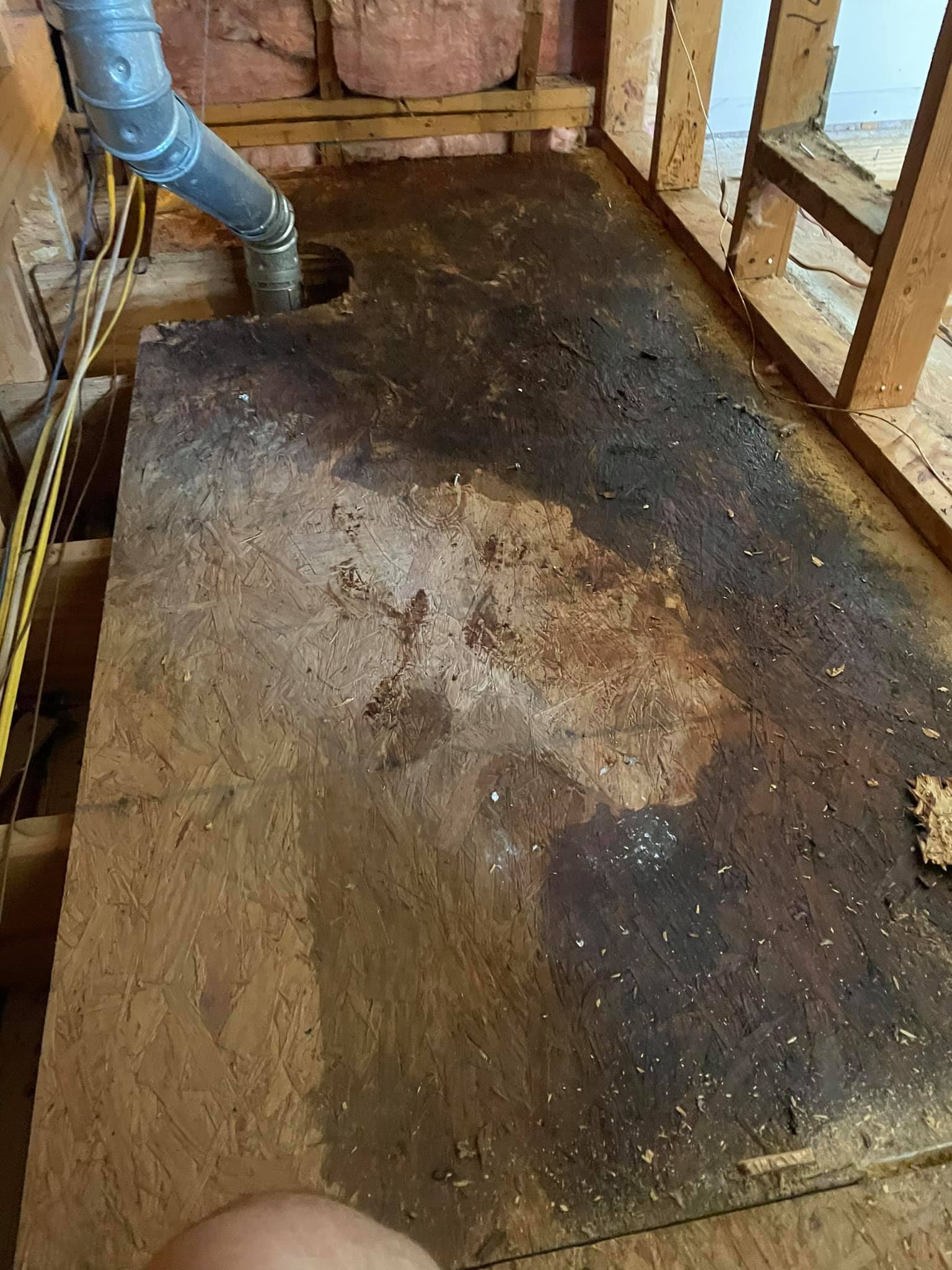
Water damage happens when unwanted water gets into a home and harms materials, finishes, or belongings. In Columbia, SC, the most common triggers are plumbing failures, roof and storm damage, appliance leaks, sewer backups, and flooding. This guide walks homeowners through how each cause works, what early warning signs to watch for, simple prevention routines, and when to call pros or involve insurance. You’ll learn practical detection methods — from moisture meters to thermal imaging — step-by-step emergency triage, and seasonal maintenance that fits Columbia’s subtropical climate and hurricane season. We also point out local weak spots — older pipes in historic neighborhoods, heavy summer storm runoff, and gutters clogged after fall leaves — and give clear monthly, seasonal, and annual checklists. Along the way we explain common restoration steps like structural drying, dehumidification, mold remediation, and working with insurance so you know what to do first and what deserves professional attention.
Mostwater damage incidents in Columbia come from a handful of sources: burst or leaking pipes, roof leaks, appliance failures, sewer backups, and flooding. Each cause creates different timelines for damage and different cleanup needs. Knowing the likely causes helps you focus inspections, catch problems sooner, and decide whether a quick DIY fix will do or if you need immediate professional help. Below is a short list with plain definitions to help you recognize urgency and next steps: Burst pipes are a pipe failure that releases a lot of water quickly, flooding interiors and soaking structural materials; Leaking roofs involve slow or storm-driven roof damage that lets water into attics and ceilings, often causing hidden rot; Appliance leaks are slow leaks from water heaters, washing machines, or refrigerators that create long-term moisture problems; Sewer backups mean contaminated water coming back through drains — a biohazard that needs specialized cleanup; and Flooding/poor drainage refers to exterior water entering during heavy rain, flash floods, or sump failures, threatening foundations and basements.
These five causes make up most residential incidents in our area and call for different responses: burst pipes need an immediate shutoff and water removal, roof leaks require quick tarping and drying, and appliance or slow leaks often need detection and targeted repairs before mold sets in. Identifying the cause tells you which tools, urgency, and mitigation steps are right.
Use these signs to match the problem to the right response — containment, drying, or calling a professional — so you limit damage and speed recovery.
When a pipe bursts it releases pressurized water into walls, floors, and cavities, quickly saturating building materials and contents. Causes include corrosion, sustained high pressure, or sudden physical damage. Pipes under slabs, inside walls, or in basements can fail from corrosion, pressure spikes, or temperature changes, sending water into materials that trap moisture and accelerate deterioration. Early warnings are a sharp drop in water pressure, obvious pooling, or a spike on your water meter when everything’s off. If you see these signs, shut off the main water, move valuables off the floor, contain the spread if safe, and call a licensed plumber.
Left unaddressed, burst pipes often lead to mold, warped floors, and ruined insulation. Even after visible water is removed, hidden saturation can remain — that’s why professionals use moisture mapping and thermal imaging to find trapped moisture. Quick triage plus systematic drying preserves materials and helps with insurance claims.
Roof leaks let rain bypass shingles, flashing, and underlayment and track into attics and ceilings, where moisture builds in insulation and framing and leads to rot and mold. Columbia’s summer storms and occasional high winds can loosen shingles or damage flashing around vents and chimneys, producing slow leaks that are easy to miss until stains or sagging appear. Interior clues are brown spots, peeling paint, damp insulation, or attic condensation; outside, look for missing granules or visible gaps in shingles. After storms, check your attic for daylight or wet spots and keep attic ventilation working to reduce condensation.
If ignored, roof leaks can cause hidden structural damage and costly remediation. Regular inspections and prompt repairs or replacement of compromised shingles and flashing help prevent long-term problems and protect finished spaces.
Plumbing problems let water into living spaces when pipes, joints, or fixtures fail. Some failures dump water fast; others slowly leach moisture over months. Common causes include joint separation, corrosion, pinhole leaks, and slab leaks. Pros locate hidden leaks with acoustic devices, moisture meters, and thermal imaging to map how far moisture has spread. Preventive steps — installing pressure regulators, insulating exposed pipes, and scheduling annual plumbing checks — lower risk and help prioritize repairs before small issues grow.
The right approach depends on the leak type — some need excavation and slab work, others are repaired in place — so homeowners can set realistic expectations for restoration time and cost.
Local factors that raise burst-pipe risk include aging pipes in older neighborhoods, seasonal temperature swings that stress materials, high water pressure, and corrosive water chemistry that thins pipe walls. Tree roots can damage exterior lines, and sudden freezes or temperature changes can cause fractures. Preventive measures include insulating exposed pipes, installing pressure-reducing valves, and scheduling routine inspections for corrosion or small leaks. Watching your water bill and checking for unexplained wet spots help you catch problems early.
Tackling these root causes cuts the chance of catastrophic failure and reduces the extent of needed restoration. Pairing basic maintenance with professional leak-detection technology lowers both frequency and hidden damage from burst pipes.
Hidden leaks often show subtle signs: a musty smell, an unexplained rise in your water bill, new stains or bubbling paint, or consistently high indoor humidity. Quick checks you can do: read the water meter with all fixtures off, look under sinks and behind appliances, and scan for mold or damp carpets. If you can’t find the source, professionals use thermal imaging, moisture meters, or acoustic leak detectors to pinpoint leaks in slabs or walls. A monthly routine that tracks water use and inspects vulnerable spots boosts your chances of finding leaks before they cause big damage.
Early detection reduces the scope of drying and mold work. Combining homeowner vigilance with targeted professional diagnostics is the most reliable defense against hidden water damage.
Storms turn outside water into interior problems when roof defenses fail, and Columbia’s hot, humid summers with occasional severe storms and hurricane-season impacts increase this risk. Wind-driven rain, missing shingles, damaged flashing, and poor attic ventilation allow water into cavities where it can sit and cause rot, insulation saturation, and mold. Post-storm inspections and regular gutter, downspout, and attic-vent checks reduce the chance of interior damage. If prevention fails, quick tarping and structural drying limit secondary damage while a professional determines repair needs.
Think of storm-related roof protection in three steps: inspect, secure, dry. Inspect roof integrity quarterly and after storms; secure vulnerable areas like flashing and chimneys; and remove or dry wet insulation promptly to stop mold. These actions curb immediate leaks and slow long-term roof deterioration.
After a storm, look outside for missing or curled shingles, granules in gutters, and damaged flashing — these often point to interior problems. Inside, watch for ceiling stains, bulging paint, and wet attic insulation. Do a quick exterior scan for displaced materials and check the attic for daylight or moisture. For immediate steps, move valuables, place buckets under active drips, and document damage for insurance. Temporary tarping of damaged roof areas limits more water entry until permanent repairs can be made.
Documenting what you find helps speed insurance claims and restoration planning, and quick action to stop ongoing water entry reduces the size of structural drying work.
Professional storm-response teams offer emergency tarping and immediate mitigation to limit interior damage and begin drying.
Gutters and downspouts move roof water away from your home; when they clog, water overflows, erodes siding, soaks fascia, and funnels toward the foundation — increasing basement seepage and stressing waterproofing systems. In the attic, poor ventilation and insulation issues can trap moisture and create condensation that damages roof decking and encourages mold. Clean gutters seasonally and extend downspouts away from the foundation to reduce overflow. Check attic insulation and ventilation to cut condensation-driven problems and extend the life of roofing components.
A regular maintenance routine prevents gutter failures and attic moisture before they show up as interior stains or foundation seepage. Spring storm prep and fall leaf clearing are particularly important in Columbia.
Appliance leaks are a common — and often preventable — source of water damage. Many appliances have hoses, seals, or tanks that fail with age or misuse. Water heaters, washing machines, dishwashers, and fridge supply lines are typical offenders; slow drips can hide beneath cabinets or behind units, eventually warping floors and fostering mold. Preventive steps include inspecting hoses and seals, replacing rubber hoses with braided stainless-steel lines, using drain pans with float switches under water heaters, and installing smart leak detectors that alert you immediately. Regular maintenance and timely part replacement significantly reduce the chance of long-term damage.Appliance leaks usually call for localized drying, targeted microbial cleanup for affected carpets or padding, and appliance repair or replacement — so early detection and small upgrades often pay for themselves by preventing bigger restoration jobs.
Common leaking appliances are water heaters (tank failure or corroded fittings), washing machines (supply hoses and door seals), dishwashers (gaskets and pump seals), and refrigerators with ice-maker lines. Watch for pooled water near the appliance, rusted fittings, musty odors, or uneven floors nearby. Simple DIY checks like feeling hose connections and inspecting drip pans catch many problems early; recurring puddles or stains deserve immediate professional attention.
Routine visual inspections plus a schedule for replacing perishable parts dramatically lower appliance-leak risk. Pairing inspections with smart sensors gives an early warning that can stop hours or days of unnoticed leakage.
Follow a simple maintenance checklist: replace rubber hoses every 3–5 years, use braided stainless-steel supply lines on washing machines, put water heaters on drip pans with monitored float switches, and add automatic shutoff valves or leak detectors where practical. Inspect seals and fittings quarterly and follow manufacturer service recommendations. Smart leak detectors that send phone alerts are especially useful in basements and utility closets where leaks can go unseen.
A modest investment in preventive hardware and a steady maintenance cadence cut the odds of major remediation and reduce the chance you’ll need mold remediation or extensive structural drying later.
Sewer backups bring contaminated black water into homes when municipal systems overload, private lateral lines fail, or blockages stop flow. Tree roots, collapsed lines, and storm-driven overloads are common causes. Cleanup requires containment, sanitization, and often removal of porous materials like drywall, insulation, and carpet. If you see a backup, avoid contact with the water, shut off your HVAC to limit spread, and call professionals trained in sewage cleanup and disinfection. Insurers often treat sewage losses differently than clean-water events, so documentation and professional remediation are critical for claims.
Because black water carries biological and chemical hazards, proper remediation usually includes controlled removal, drying, antimicrobial treatment, and sometimes mold remediation. Coordinating a plumber, a restoration contractor, and your insurance adjuster speeds safe recovery and reduces long-term health and structural issues.
In Columbia, backups typically come from root intrusion into older lateral lines, municipal system overload during heavy storms, and grease or non-flushable items that create blockages. Soil movement and collapsed segments can also block flow and force sewage back into drains. Preventive measures include regular sewer cleanouts, video inspections to spot root encroachment, and avoiding grease and sanitary products down drains.
Proactive sewer maintenance and timely video inspections lower the chance of emergency black-water exposure and the extensive cleanup that follows. If you’re in a higher-risk area, consider scheduled inspections and backflow preventers.
Sewage brings pathogens — bacteria, viruses, and parasites — that pose immediate health risks and contaminate porous building materials that are expensive to restore. Property impacts often include ruined drywall and insulation, destroyed carpeting and padding, and possible mold growth if moisture isn’t controlled quickly. For safety, avoid direct contact, shut off HVAC to limit airborne spread, and call professional sewage cleanup and mold remediation teams for containment, sanitization, and reconstruction guidance.
Standard household cleaning won’t reliably remove pathogens or properly dry and decontaminate affected substrates. Professional containment and sanitization lower health risks and support insurance claims by documenting the correct remediation steps.
Flooding and basement intrusion happen when outside water overwhelms drainage, sump pumps fail, or foundation cracks let hydrostatic pressure push water inside. Heavy rains and hurricane-season storms in Columbia raise this risk seasonally. Floodwater soaks foundation walls and subfloors, weakens structural elements, encourages mold growth, and can damage mechanical systems in basements. Good mitigation includes keeping grading and gutters in shape, installing or servicing sump pumps with battery backup, sealing foundation cracks, and making sure downspouts discharge several feet from the foundation. Fast structural drying and dehumidification stop ongoing decay and microbial growth after an intrusion.
Use this mapping to prioritize fixes — grading and gutters for surface runoff, sump pump redundancy for basements, and professional waterproofing where foundation cracks are present — each step reduces the scope of drying and mold work if flooding happens.
Columbia sees heavy summer thunderstorms, a hurricane and tropical-storm season stretching into late fall, and occasional intense downpours that cause flash flooding and saturated soils. These patterns increase runoff, strain storm systems, and raise hydrostatic pressure against foundations, especially after extended wet weather. Seasonal prep — clearing gutters before storm periods, testing sump pumps before hurricane season, and securing basement contents — lowers the risk of sudden intrusion.
Working with the local weather calendar gives you a practical maintenance schedule and helps you coordinate pre-storm mitigation with professionals when needed.
Set up a maintenance routine with monthly, seasonal, and annual tasks to prevent basement flooding: a Monthly maintenance list includes inspecting gutters, confirming downspout discharge, and visually checking the basement for damp spots; Seasonal tasks involve clearing leaves in spring and fall, verifying grading slopes away from the foundation, and testing sump pumps before hurricane season; and Annual work means scheduling a plumbing inspection, performing sewer video checks if needed, and evaluating roof flashing for storm readiness. Inside, seal visible foundation cracks, store valuables above likely flood levels, and run dehumidifiers in basements during humid months. Test sump pumps under load and consider redundant pumps or remote alarms that warn you if a pump fails.
Following these steps cuts both the chance and severity of basement flooding, and keeping records helps with any insurance claims that follow. When dealing with water damage, it’s important to know When to call professionals: Call professionals for any event involving contaminated water, widespread saturation, or structural damage. These professionals What professionals provide: Leak detection, emergency water extraction, moisture mapping, thermal imaging, controlled demolition, structural drying, dehumidification, and sanitization. Furthermore, for your peace of mind, Documentation and warranty: Professional teams supply documentation for insurance claims and may offer workmanship warranties to ensure remediation quality.
These guidelines help you choose the right restoration path and balance safe DIY steps with expert intervention when risk or complexity is high.
Knowing what causes water damage and how to prevent it protects your Columbia home from costly repairs and health risks. Spotting early signs — from burst pipes to roof leaks and appliance failures — and keeping to a maintenance schedule helps you act before problems get worse. When issues exceed what you can safely handle, prompt professional help makes recovery faster and more complete. For experienced, local support and to learn about our full restoration services, contact a local professional today.
Business Name: Common Cents Restoration
Address: 140 Adams Pond Rd, Blythewood, SC 29016
Phone:803-995-0234
Business Hours:
Mon - Fri: 08:00 AM to 05:00 PM
Sat-Sun: Closed
24 Hour Emergency Service Available
1 Year Workmanship Warranty