Water damage restoration is the step-by-step work needed to assess, remove, dry, repair, and verify a property after water intrusion. This guide explains how that process applies to homes and businesses in Columbia, SC. You’ll find clear emergency actions, a simple end-to-end workflow, common local causes and risks, realistic cost drivers and sample ranges, plus prevention steps to cut future mold and structural problems. We stress timely mitigation—often a 24–48 hour window to limit secondary damage—and walk through industry practices like moisture mapping, structural drying and dehumidification, and mold remediation. You’ll also get practical checklists, side-by-side cost and process comparisons, and insurance-claims tips so you can move from discovery to verified recovery with confidence.
Acting fast cuts permanent damage: stop the source, remove standing water, and stabilize conditions for drying and cleanup. First, put safety first—turn off electricity to flooded areas if water is near outlets, and shut the main water valve if it’s safe. Next, document the damage with photos and notes for your insurance. Then start basic mitigation—move valuables to dry areas, lift rugs, and ventilate if outdoor conditions allow—so restoration crews can get straight to extraction and structural drying.
When fresh water gets in, follow this short action plan: prioritize safety by cutting power if water is near outlets and avoiding contact with standing water around electrical sources; stop the source if it’s safe by turning off valves or isolating the appliance causing the leak; take photos and notes to document visible damage for insurance purposes; and move valuables to dry areas, beginning simple mitigation like lifting small rugs or opening windows when appropriate.
Those steps reduce immediate risk and set the scene for professionals to begin mechanical extraction and targeted drying. Next, we explain why 24/7 emergency water removal matters and when to call a pro in Columbia, SC.
Quick extraction shortens the time porous materials stay wet, which limits structural harm and stops mold from taking hold. Industrial extractors and high-capacity pumps remove bulk water fast while technicians use moisture meters and thermal imaging to find hidden wet spots—this combo can shrink a drying timeline from weeks to days. Faster response lowers the chance of swelling, staining, and floor or wall delamination, and it reduces health risks by preventing mold colonization. Because mold can start growing within 24–48 hours on damp materials, prompt professional water removal is often the difference between a minor repair and a major remediation job.
Those benefits lead to the next question: when the situation or contamination level needs immediate professional attention.
Call professionals right away when water has stood for more than 24 hours, when the source is contaminated (sewage or black water), or when structural components are soaked or sagging. Restoration teams offer emergency water removal, sewage and black water cleanup, and structural drying services to handle contamination, health risks, and building stabilization. Signs you should call a licensed team include discolored water, strong foul odors, or water moving through wall cavities. Early professional intervention shrinks repair scope, reduces mold remediation needs, and speeds safe re-occupancy.
Professional help also creates a documented mitigation timeline that’s valuable for insurance claims and recovery planning, which we cover later in the cost and documentation sections.
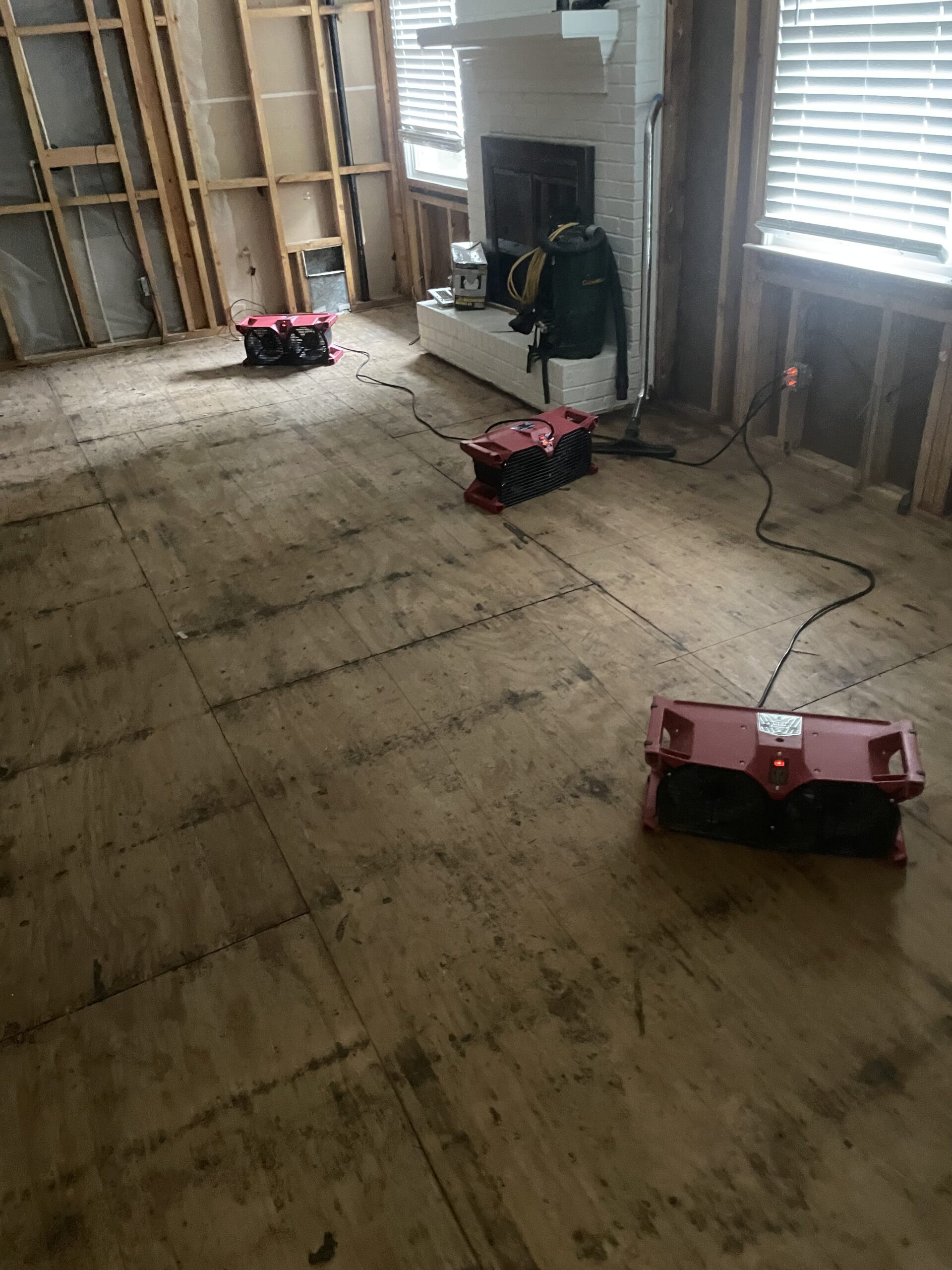
Restoration usually follows four main stages: inspection and assessment, water extraction (and controlled demolition if needed), structural drying and dehumidification, and remediation with final verification and documentation. During inspection, technicians use moisture meters, thermal imaging, and moisture mapping to find hidden water and plan a focused drying strategy. Extraction uses industrial extractors and pumps to remove bulk water, and controlled demolition removes unsalvageable materials to access trapped moisture. Structural drying pairs air movers with refrigerant or desiccant dehumidifiers until materials reach a safe moisture level and mold regrowth is prevented.
This step-by-step approach—inspect, extract, dry, then remediate—creates measurable progress and supports insurance documentation and final clearance testing.
Inspection sets the plan by identifying water category (clean, grey, black), the materials affected, and hidden moisture paths using thermal imaging and moisture mapping. Extraction quickly removes bulk water with industrial extractors, pumps, and wet vacs to stop further migration. Structural drying uses air movers and dehumidifiers—sometimes desiccant units in cold or very humid conditions—to lower material moisture to safe levels checked with moisture meters. Each stage is logged with photos and readings so the sequence “inspection → action → verification” is clear and accountable.
Homeowners can watch for clear verification signs—dryness readings within target ranges, no visible staining, and no persistent odors—before remediation moves forward.
Mold remediation stops damp materials from becoming long-term sources of airborne spores through containment, controlled removal, and verification testing. Teams isolate the work area to prevent spread, use HEPA filtration to capture particles, and remove non-salvageable porous materials that harbor spores. Antimicrobial treatments and thorough drying follow, and clearance testing confirms spore levels are acceptable before you move back in. Because mold exposure can worsen asthma and allergies, this controlled approach protects indoor air quality and occupant health.
Effective remediation also depends on early mitigation—fast extraction and drying reduce how much material needs removal and shorten the health risk window.
In Columbia, common culprits are burst pipes, heavy storms and flooding, sewage backups, and appliance failures like leaking water heaters or washing machines. Local weather and aging systems make stormwater intrusion and overwhelmed drains more likely during heavy rains. Different causes bring different contamination and structural concerns—burst pipes often start as clean or grey water that can soak into wall cavities, while sewage backups introduce black water that requires specialized cleanup and disposal. Knowing the cause helps homeowners pick the right response and remediation service.
Common causes with quick mitigation notes include burst pipes, which require shutting off the main water and quickly drying hidden cavities to prevent structural and mold damage; storm and floodwater, which necessitate fast extraction and sometimes controlled demolition to remove contaminated materials; sewage backups, which require professional sewage and black water cleanup due to contamination and health hazards; and appliance leaks, where prompt inspections and replacing hoses/valves can prevent repeat incidents.
Burst pipes spill water quickly into floors and wall cavities where moisture can hide for long periods. Storms can push large volumes of water against foundations or through poorly graded yards and overwhelm drainage, flooding basements and crawlspaces. Sewage backups bring contaminated black water that must be handled with specific sanitation and disposal steps to protect health and building materials. Each scenario raises restoration complexity—after extraction you’ll often need structural drying and dehumidification to return materials to safe moisture levels.
Understanding the mechanism guides the response: the water type sets contamination protocols, and the pathway determines demolition and drying strategy.
Left untreated, moisture weakens structure by causing wood rot, metal corrosion, and breakdown of engineered materials, which can affect load-bearing parts and finishes. Ongoing dampness fuels mold and bacteria growth, creating allergens and irritants that may worsen asthma and other respiratory conditions. Over time untreated water damage also harms insulation, electrical systems, and indoor air quality, and it lowers property value by leaving visible and hidden defects. Prompt restoration and clearance testing restore safe moisture levels and remove compromised materials to reduce these risks.
Cost varies with water type (clean, grey, black), the square footage affected, the level of structural damage, and how quickly mitigation begins. A small leak in one room with clean water costs much less than a sewage backup or whole-home flood that needs demolition and rebuilding. Many professional services offer free estimates and insurance-claims assistance to provide clear pricing and documentation, which can ease insurer conversations after a covered loss.
Price depends on contamination level (clean, grey, black), affected square footage, structural damage or material loss, and the equipment and labor hours needed for drying and remediation. Hidden moisture adds cost because it may require targeted demolition and longer drying. Contaminated water raises sanitation and disposal needs. Faster emergency response often reduces total cost by limiting secondary damage. Typical scenarios—small clean leaks, moderate storm-related basement floods, and severe sewage events—show how costs scale with contamination and scope.
Knowing these factors helps you compare estimates and choose mitigation steps that keep costs down.
Professional services often provide free, transparent estimates and help with insurance-claims documentation and communication. This support typically includes documenting the mitigation timeline, supplying itemized scopes and cost breakdowns, and delivering photos and moisture logs for adjusters. That reduces the paperwork burden on homeowners and aligns restoration scope with insurer expectations. While every policy is different, a professional mitigation record and clear estimate usually speed claim handling and approval for covered work.
These services link technical restoration needs with insurance requirements to make recovery smoother.
Prevention combines regular inspections, proactive maintenance, proper grading and drainage, and targeted equipment in high-risk areas. Keep gutters and downspouts clear to send water away from foundations, maintain proper grading around the building, and check plumbing and appliance connections seasonally. Use dehumidifiers or structural drying systems in basements and crawlspaces when humidity runs high, and install water detection alarms for early leak alerts. These steps lower the chance and severity of future water incidents and reduce mold risks after an event.
These measures mix maintenance, monitoring, and equipment into a cost-effective strategy to reduce future water and mold problems.
Successful post-restoration drying uses high-volume air movers, refrigerant or desiccant dehumidifiers, and ongoing moisture monitoring to bring materials back to safe equilibrium levels. Antimicrobial treatments applied to affected surfaces help prevent regrowth while controlled drying removes the moisture spores need. Regular checks with moisture meters and humidity logs confirm progress and prevent projects from closing too soon. Together, these steps make conditions unfavorable for mold and lower the chance of follow-up remediation.
Consistent verification and documentation during drying also back up any warranty claims and insurance paperwork, ensuring the remediation is complete and defensible.
Routine inspections find slow leaks, vapor intrusion, or early material wear before they turn into big problems, saving substantial repair costs over time. Focus inspections on plumbing junctions, appliance supply lines, roof penetrations, basements, and crawlspaces where hidden leaks often start. Early detection enables targeted repairs instead of full replacements, and inspection reports create useful records for claims or resale. Investing in routine checks delivers strong value by reducing large restorations and limiting mold remediation needs.
Inspections also reveal local risk factors so prevention plans can be tailored to your property.
Water damage restoration in Columbia, SC protects your home, health, and investment by delivering fast response, effective mitigation, and complete recovery solutions. Knowing the restoration steps helps you make smart decisions and act quickly to limit damage and cost. When selecting a restoration provider, look for experienced crews, clear communication, and assistance with insurance—making the path from discovery to verified recovery smoother. Take the first step to protect your property: contact a professional today for a free estimate.
Business Name: Common Cents Restoration
Address: 140 Adams Pond Rd, Blythewood, SC 29016
Phone:803-995-0234
Business Hours:
Mon - Fri: 08:00 AM to 05:00 PM
Sat-Sun: Closed
24 Hour Emergency Service Available
1 Year Workmanship Warranty